

Dylan Songs for Non-Dylan Fans From Desire to I’m Not There!
The way is long but the end is near
Already the fiesta has begun
And in the streets the face of God will appear
With His serpent eyes of obsidian
Romance In Durango - Desire 1976
Pick any Bob Dylan song, transform it into a different style or genre, and it will still sound authentic. His sense for a good melody and knack for other-worldly lyricism has inspired generations of musicians to grab Dylan’s canvas and paint , and from that create new forms, shapes and landscapes all their own – at many times to astonishing effect. Like no other artist’s work, Bob Dylan’s kaleidoscope of images and enigmatic characters, combined with his timeless portrayals of love, longing, despair, hope, and adventure, lends itself to re-interpretation and transformation.
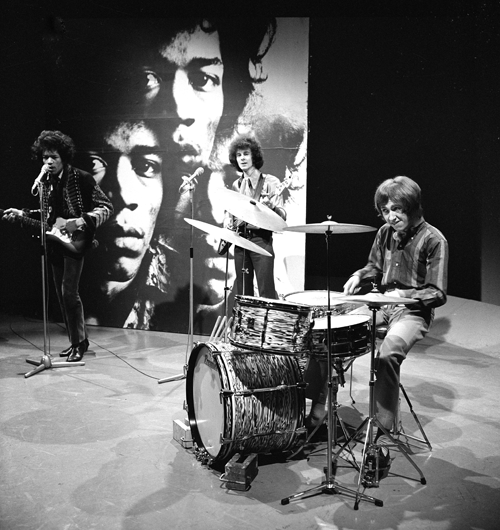
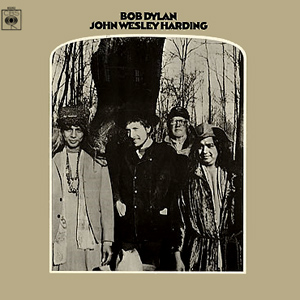
What did Jimi Hendrix hear in the original All Along the Watchtower from Dylan’s folkie 1965 release John Wesley Harding to create such a psychedelic yet timeless soundscape? After all, his version would on its own become transformative for all Rock’n’Roll music to come. And how many even knew what the initial recording sounded like upon first hearing Jimi’s sonic masterpiece, let alone being aware that the original was from Bob Dylan? Like many, I was introduced to a wide array of his songs through other artists without even knowing they were his.
The day Dylan turned seventy I was DJing in a bar known more for heavy rock, metal, and grunge sounds. On top of that, the owner really wasn’t a fan of Dylan’s music and actually quite disliked Bob’s voice. However, there are always exceptions. He does have several rockers anyone would like and I managed to squeeze in a few of those. Incidentally, I also found quite a few interpretations by other artists on my harddrive and proceeded to sprinkle those throughout my set. Most people including the owner didn’t even realize they were listening to Bob Dylan a good portion of that evening – although one gentleman at the bar seemed to give me surprised yet approving glances every time I pulled a cool cover out of my hat. And as I continue my research for this series the list of interpretations keeps growing – with new surprises most likely still lurking in the vast ether of the music universe.
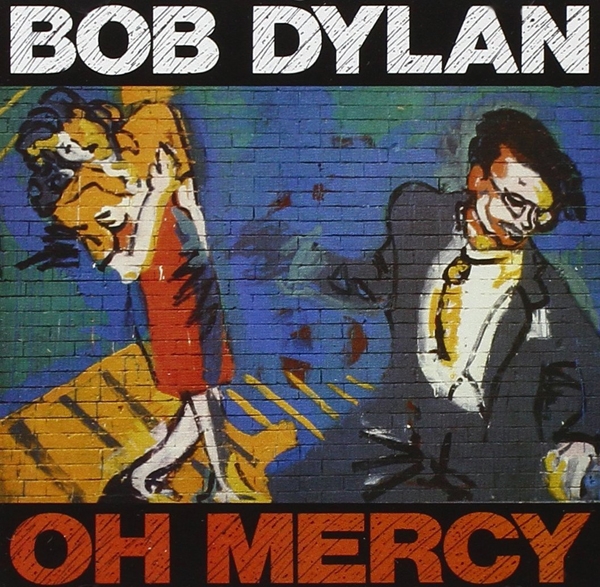
Dylan ended the 1980s with Oh Mercy, an atmospheric collage of songs that range from disquieting commentary – Political World / Everything Is Broken / Disease of Conceit– and spectral narration – Man In The Long Black Coat / What Was It You Wanted – to spiritual hymns – Ring Them Bells / Shooting Star – and gloomy introspection – What Good Am I / Most of the Time – and coincidentally created a nice source of inspiration for a diverse group of artists to cull from. The album was produced by Daniel Lanois, who manages to lend it his own specific style that didn’t sit well with a few critics. “Taken over by Daniel Lanois, master of a shimmering and distinctive electronically processed guitar sound…[the album] is overdone“, writes Rock Critic Bill Wyman. However I would disagree with Bill’s assessment. The distinct and untypical sound is exactly what makes this album so unique and I still consider it one of my favorite Bob Dylan recordings. I love the swampy feel and moody sound just as much now as I did upon first hearing, and rank a few of these songs among his best.
Everything Is Broken
Broken lines, broken strings,
Broken threads, broken springs,
Broken idols, broken heads,
People sleeping in broken beds
Everything Is Broken - Oh Mercy 1989
Everything Is Broken is a propulsive, riff-driven song describing Dylan’s sense of detachment from the world surrounding him and paints a disillusioned picture of the world, society, and the protagonist’s state of mind. The vocals are underscored with a percussive rhythmic beat and Rock-a-billy style guitars run through an echo effect.
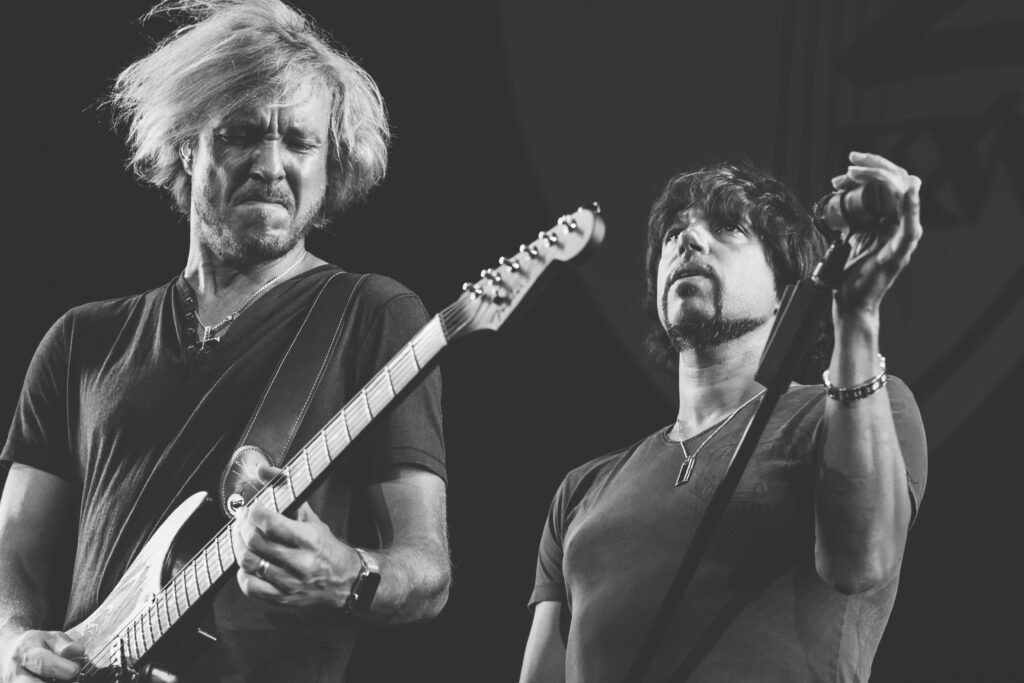
Kenny Wayne Shepherd takes it and picks up the pace by spicing it with his signature Stevie Ray inspired groove and heavy blues riffing. Noah Hunt’s vocal style is less introspective and more judgmental, singing his disillusionment back at the broken world surrounding him. The song gets its tempo going from the beginning with a riff that is stepping back and moving forward simultaneously, a tight, hard hitting beat, and blistering leads between the fatalistic verses. A short, precise, hard blues rocker to get your groove on.
Broken bottles, broken plates,
Broken switches, broken gates,
Broken dishes, broken parts,
Streets are filled with broken hearts
Everything Is Broken - Oh Mercy 1989
Sheryl Crow’s version picks up the pace even more and brings the rhythm back to its Rock-a-billy roots while keeping the blues rock style lead guitar from Kenny Wayne’s version. She trades off vocals with Jason Isbell and both harmonize perfectly. Duets can sometimes seem a little forced but they gel as if having done this for years. She seasons the groove with a bit of 90ies style upbeat country in the breaks and peppers it with a mean harmonica solo. Wasn’t aware that this lady could rock out like this. Maybe I should go back and give her a little more listen.
Ring Them Bells
Ring them bells ye heathen from the city that dreams
Ring them bells from the sanctuaries
 cross the valleys and streams
For they're deep and they're wide
And the world is on its side
And time is running backwards
And so is the bride
Ring Them Bells - Oh Mercy 1989
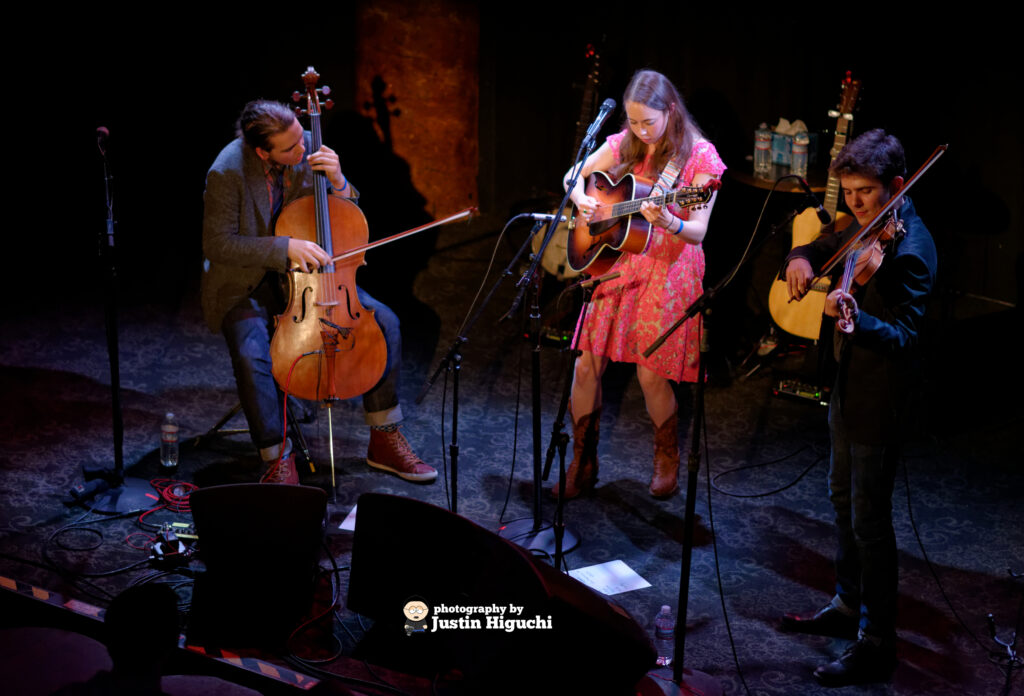
Dylan returns to his Gospel roots with Ring Them Bells, a cryptic call to action for heathens and saints alike. He commands them to guide us all through his mystifying impression of the world – his vocals supported again with the echo vibrating guitar and solo piano. Sarah Jarosz takes his arcane text and underscores it with mountain instrumentation – driven by Jarosz’s octave mandolin, featuring Jerry Douglas on dobro and includes cello and fiddle to fill out the sound. Her gentle vocal style paired with the traditional string band arrangement turns it into a comforting Appalachian hymn, making the lyrics sound more homegrown and soothing. She is calling you home to join in communion – at her white wood paneled church on some grassy hill – on the front porch of her home with swing and rocking chair in some little mountain village – or at the late night camp fire in her back yard with smores and hot chocolate.
Ring them bells Saint Peter where the four winds blow
Ring them bells with an iron hand
So the people will know
Oh it's rush hour now
On the wheel and the plow
And the sun is going down upon the sacred cow
Ring Them Bells - Oh Mercy 1989
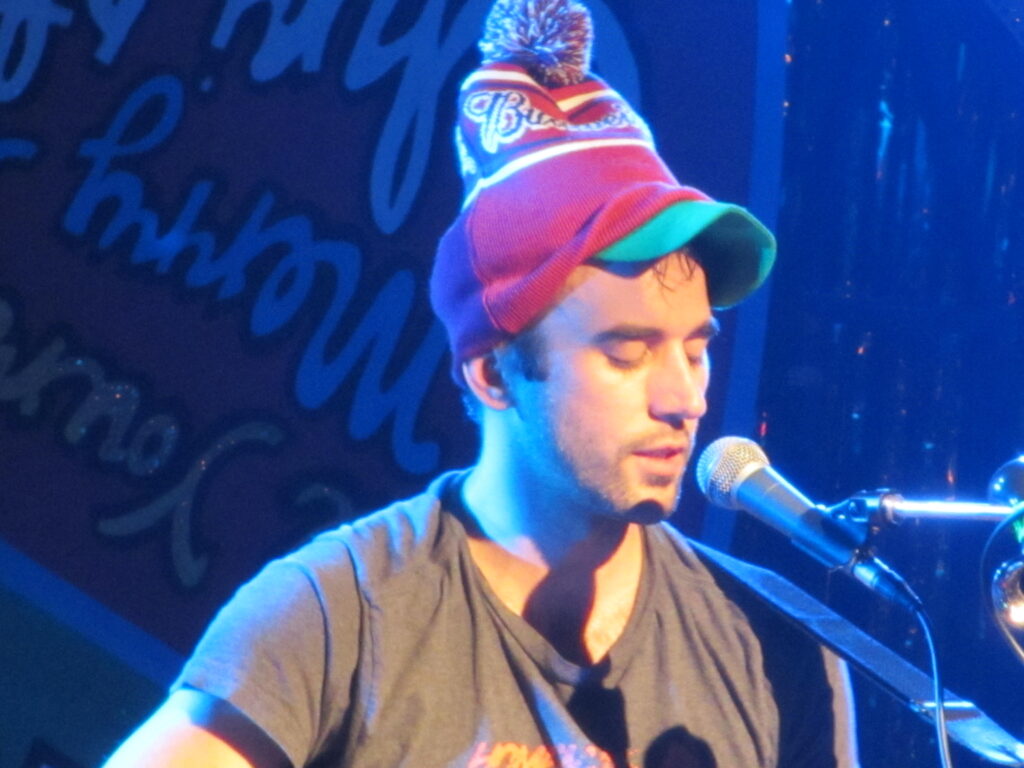
Sufjan Stevens‘ horn infused version on the other hand pairs his new millennium folk pop feel with the late 60ies early 70ies country, folk, and jazz rock sound reminiscent of The Band’s horn infused songs from Rock of Ages – in particular Chest Fever and Life Is A Carnival – paired with the poppy Beatlesque elements from the Let It Be and Abbey Road recordings – furthermore shaken and stirred with a bit of trippy psychedelic brass arrangement straight from the early Blood, Sweat & Tears playbook. The song itself sounds like a carnival and was originally recorded for the movie I’m Not There, a visual collage on the various identities of Bob Dylan intercut in multi-colored episodes drawn from his varying themes. In context of the movie this version makes perfect sense, not having seen it can make it a little jarring – so – watch the movie! It’s a fun trip!
Ring Them Bells has by far been one of my least favorite songs from Oh Mercy, however in researching this piece has gotten stuck in my head for the last three days. Contrary to what one might think, this has given me a new appreciation for it. In addition I have garnered a liking for all three versions, including Sufjan Stevens’, whom prior to this I had never really listened to. I can’t even remember what part of the movie this was in. In the end Sarah Jarosz wins out, though, in my humble opinion. The feeling and vision she projects is inviting as well as comforting – and by that she creates a classic.
What Was It You Wanted?
Was there somebody looking
When you gave me that kiss
Someone there in the shadows
Someone that I might have missed
What Was It You Wanted? - Oh Mercy 1989
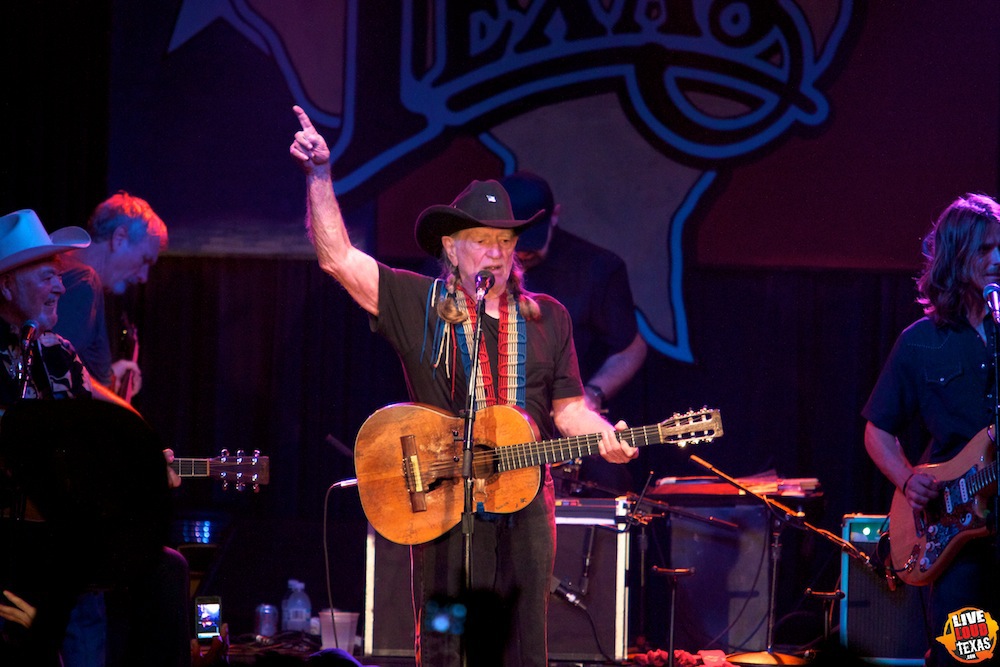
What Was It You Wanted is another of the truly great songs off of Oh Mercy, a mysterious interrogation on the questionable motives of his counterpart, be it his friend, lover, rare acquaintance – or even Judas. The mood puts you in some shadowy back alley in New Orleans – with neon lights reflecting on the wet streets after a quick summer downpour and late night low key jazz escaping through a nearby back door.
Willie Nelson keeps the mood and instrumentation almost identical to the original, with Mickey Raphael taking over on harmonica and adding nuances to Dylan‘s original melodic blueprint. He is a master of his craft, one of the best mouth harp players ever, and demonstrates this on his solo after the bridge and following verse. Willie ends the song with his signature style guitar soloing, substituting his country feel for a more aggressive blues style in keeping with the eerie evil spirit of the song. His vocal style is softer than Dylan’s yet no less distinct and transforms Bob’s disdain to near contempt. The bone of contention becomes ever more present and disturbing, and you can feel the discomfort and doubt in every question. The protagonist knows something is happening, that his friend or lover has some mischief in mind, but he is not sure what it is, is he, Mr Jones?
Going To Acapulco
I'm going down to Rose Marie's
She never does me wrong.
She puts it to me plain as day
And gives it to me for a song
Going To Acapulco - The Basement Tapes 1967
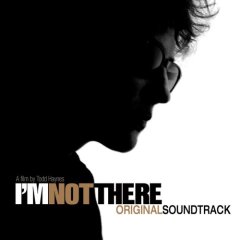
If you haven’t seen I’m Not There yet you really should take the time, especially if you are a Bob Dylan fan. However, if you are not you might see it as a confusing mess and ask yourself what the hell this jumbled fiasco is supposed to mean. Well, it is the vision of one film maker and his co-writer, in this case Todd Haynes and Oren Moverman, of what this phenomenon named Bob Dylan really is and means. There have been a couple of these cinematographic contemplations before, but those really were more of a jumbled fiasco, whereas here they seem create a more holistic and universal idea of his multifaceted identities. And they spike the movie with some great musical interpretations of songs you might not immediately think of for such a project, let alone even know of their existence.
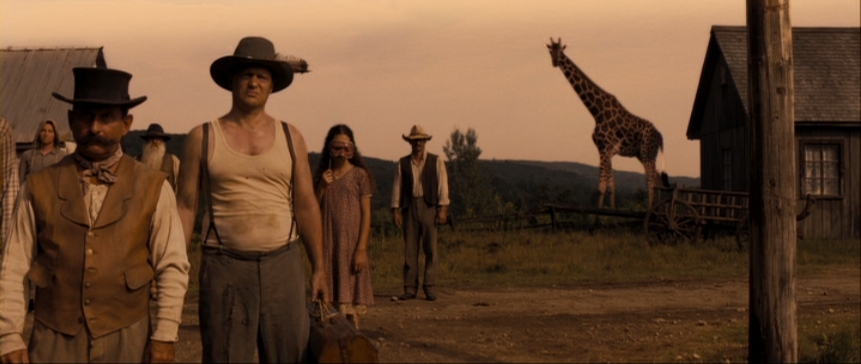
One of these is Going to Acapulco performed by Jim James with Calexico, one of my favorite songs from The Basement Tapes. I remember feeling chills down my spine when I first heard this in the movie theater. Richard Gere as Billy the Kid, drawn from Dylan’s part and soundtrack from the Sam Peckinpah classic, is leading his horse through a western mountain town of the post civil war years. He encounters a very eclectic crowd strolling through a bewildering backdrop including an ostrich, a gentleman on stilts, a single mother and her children being robbed, and a lone giraffe casually appearing from behind a house – perplexingly, not at all seeming out of place.
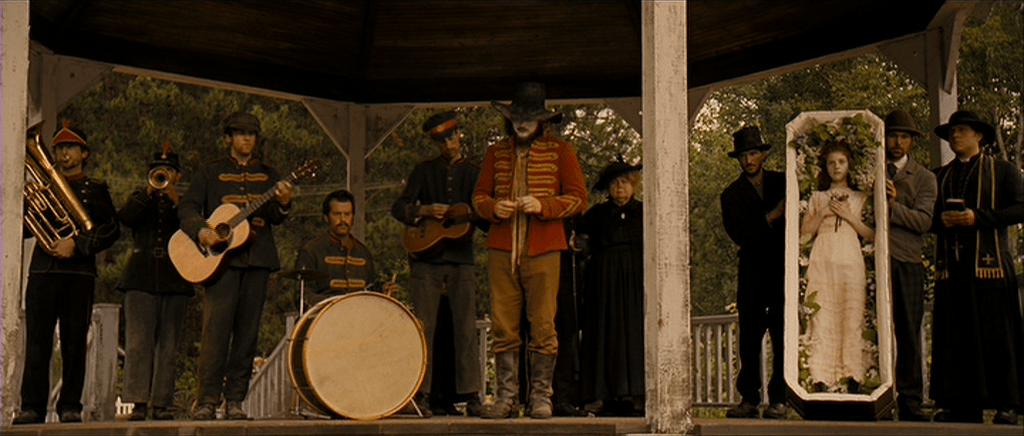
Jim James is singing at the wake of a young lady as a crowd gathers to listen to this obscure tale. His face is painted white as a nod to Dylan’s makeup effect from Renaldo and Clara. The subject matter of the lyrics have always seemed suspect to me. I have always felt that they have a very adult connotation to them, especially in the mischievous way Dylan delivers them. But as so often they can be transformed by a new interpretation – and in this case by the visuals given through a film maker. Will have to leave the images for this song to you, mine having been tainted by the movie, which is in itself not a bad thing. Calexico keeps the slow moody pace of the original yet substitutes the swirling carnival like keyboard sound of Garth Hudson with acoustic guitars and Robbie Robertson‘s guitar interludes with a brass section reminiscent of early 70ies r&b songs. You could write a dissertation on this one scene alone if you were to try to analyze all the bizarre characters and their references gathered in the audience.
One More Cup Of Coffee
And your pleasure knows no limits
Your voice is like a meadowlark
But your heart is like an ocean
Mysterious and dark
One More Cup Of Coffee - Desire 1976
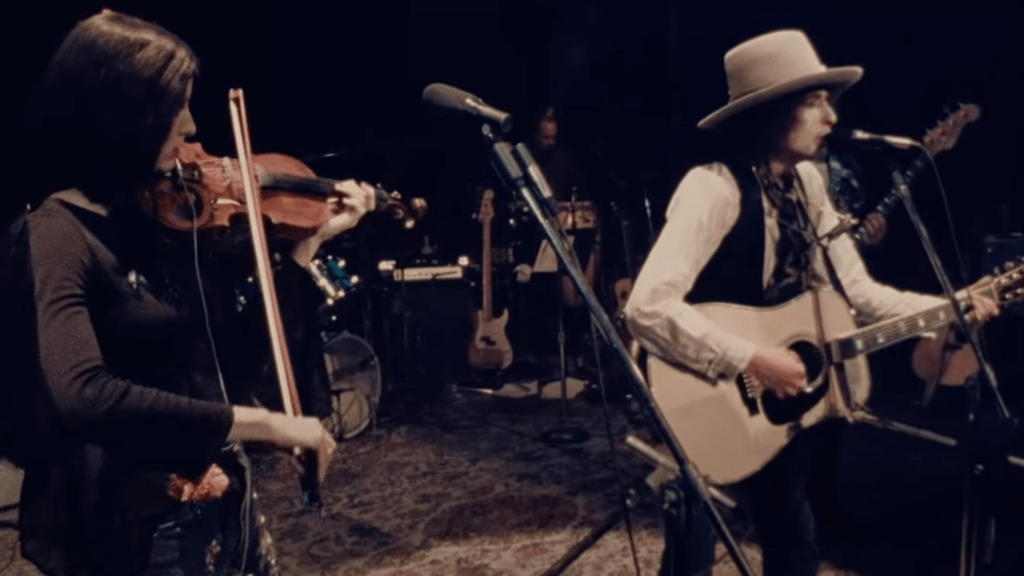
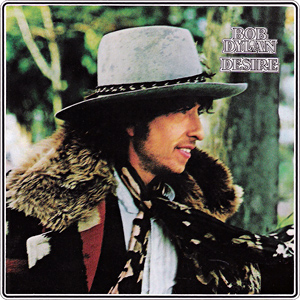
One More Cup of Coffee is one of those song that I only recently discovered, recent meaning in the last 20 years. I originally heard it on Bob’s Bootleg Vol. 5 release featuring live performances from his 1975 Rolling Thunder Revue tour – with Carmen Rivera‘s beautiful violin play wailing it’s soft voice in the background. That was his only version I knew until like right now, this being the first time that I am actually listening to the original. I guess I have been missing out. I have never listened to Desire before, and all songs I know from this album are alternate versions from various live releases or box sets. I never realized Emmylou Harris sings on the original but her voice fits in perfectly, her country style giving it a heartfelt yet desperate emotionality. You know, I can understand why some might not like Bob Dylan’s voice, however if you can somehow acquire a taste for it, then a wealth of magical musical moments await you.

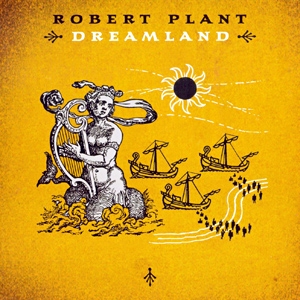
Another artist who has many hidden magical moments to offer is Robert Plant, one of those being his rendition of One More Cup of Coffee from his 2002 release Dreamland. Where Bob Dylan has you travelling through the Mexican Sierras Robert Plant transports you as Don Quixote to the mountainous regions of Spain or as the leader of a caravan through the Atlas Mountains of Morocco. The sweet smoke of Mota and intense taste of Mezcal is traded in for the full bodied flavor of red Rioja and smooth vapors of Ketama Gold Hashish. His voice becomes the Pungi flute hypnotizing the listener like a cobra in its basket. He entices you to sway and dance to his rhythmic song underscored by percussive drumming, Spanish acoustic and electric Rock guitars, and a mellotron style keyboard loop giving it a hint of psychedelia and mystery.
Your daddy, he's an outlaw
And a wanderer by trade
He'll teach you how to pick and choose
And how to throw the blade
One More Cup Of Coffee - Desire 1976
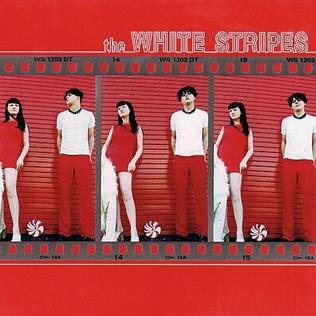
The White Stripes‘ version on the other hand is much more raw, with Meg White’s simplistic bass drum and tambourine snare taking center stage next to Jack White’s Adhaan style vocals. It starts with a sweet acoustic guitar intro but the guitar itself takes back seat to the rest, creating its rhythmic backdrop. A heavy organ sound kicks in and lends the song an air of mystery. If Dylan puts you in the Mexican wild west, and Plant in a mystic realm between Spain and North Africa, The White Stripes transport you to some wide open hilly region of Turkey with Jack White as the Mullah calling you to prayer from a far away minaret. The sweet smell of apple flavored tobacco from a hard wood hookah and the clinking sound of glasses filled with the milky mixture of Raki and water fill the air of the campsite. This version is short and sweet, almost more of an interlude than a complete song. A nice little anecdote for a playlist as a transition between two epic yet contrarian anthems.
A 58 year time span separates the birth dates of the oldest artist, that being Willie Nelson, from that of the youngest, namely Sarah Jarosz, yet both are able to create their own equally powerful vision from Bob Dylan’s work – and in the case of Robert Plant and the White Stripes from the same song even. The variety is truly amazing. I can’t wait to hear what Bob Dylan’s songs will sound like when the generations just being born will pick up his music to find new inspirations. Hope to be around long enough to enjoy that. Please let me know what you think of this little selection, tell me about your favorite Dylan covers and if you do or don’t like his own versions. And if you get a chance check out my social media, like and subscribe, and don’t forget to keep on rockin’! Cheers!